Related Article

Upstream, Midstream and Downstream in Oil and Gas: Where Refining and Fuel Retail Fit
Oil and gas go through many stages. This journey has three main parts: upstream, midstream and downstream.
Upstream finds and produces oil and gas. Midstream moves and stores them. Downstream turns them into useful products and brings them to customers. Together, these stages take oil and gas from the well to the pump nozzle. They form one connected chain. Each stage has a different role.
Key Takeaways
- Upstream covers finding and producing oil and gas.
- Midstream covers processing, moving and storing them.
- Downstream covers refining, making products and selling fuel.
- Refining and fuel retail both belong to downstream.
- Some companies work across more than one segment.
Quick Answer: What Is Upstream and Downstream in Oil and Gas?
What is upstream and downstream in oil and gas? The industry has three main segments. Upstream finds and produces oil and gas. Midstream moves and stores them. Downstream refines crude oil, makes products and sells fuel. Refining and fuel retail are both part of downstream.
The Oil and Gas Value Chain at a Glance
The oil and gas industry follows a clear path. It starts with finding oil and gas underground. The resources are then produced and moved. Crude oil reaches a refinery. There, it becomes useful products. These products move to storage and fuel stations. Finally, they reach homes, businesses and vehicles.
The oil and gas value chain:
Oil and gas exploration
↓
Drilling and production
↓
Gathering and processing
↓
Pipelines, ships and storage
↓
Refining and product making
↓
Product storage and transport
↓
Fuel retail and end users
What Is Upstream in Oil and Gas?
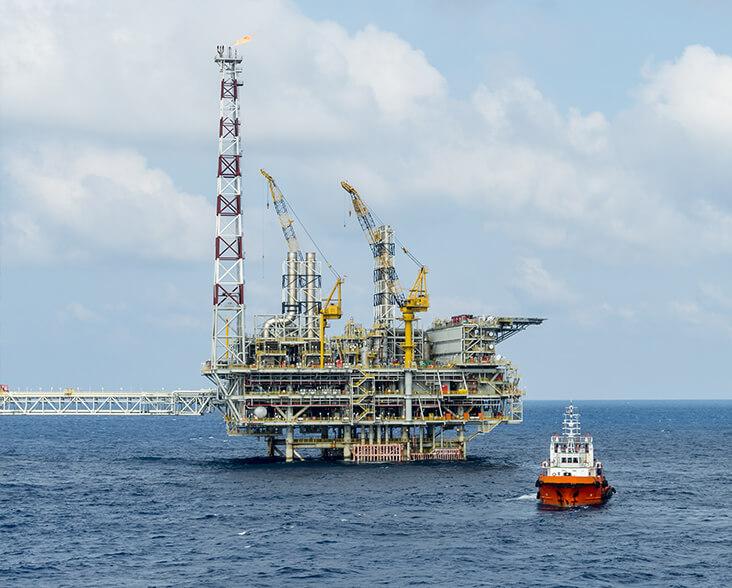
Upstream is the first stage. It covers finding oil and gas. It also covers bringing them out of the ground.
This work happens on land and offshore. Offshore means work done at sea.
Exploration and surveying
The first step is finding oil and gas. Companies study the land and seabed. They look for signs of underground resources.
They use surveys and special tools. One common method is seismic surveying. It uses sound waves to study rock layers. This helps teams find possible oil and gas deposits.
Finding oil takes time. It also needs careful study. A survey does not guarantee a discovery.
Drilling and production
Once a suitable site is found, drilling can begin. Special rigs drill wells into the ground. These wells reach the oil or gas below.
If a well is successful, production starts. Oil and gas are brought to the surface. They may come out on their own. Sometimes, pumps and other tools help.
The oil and gas are then sent for further processing. This prepares them for transport.
Who operates upstream in India?
India has public and private companies in upstream operations.
Some key names include:
- ONGC: Explores and produces oil and gas. It works on land and offshore.
- Oil India Limited: Explores and produces oil and natural gas.
- Private and joint venture companies: These also take part in exploration and production.
Companies may also provide support. They supply drilling tools and equipment. They offer survey and technical services. These firms help operators carry out their work.
What Is Midstream in Oil and Gas?
Midstream connects production with refining and supply. It covers the movement and storage of oil and gas.
This stage has three main jobs. It gathers and prepares the resources. It moves them from one place to another. It also stores them until needed.
Gathering, processing and treating
Oil and gas first need collection. Gathering systems bring them together. They carry them from wells to processing sites.
The next step is processing. Gas may contain water and other unwanted parts. These need to be removed.
Oil may also need treatment. This helps prepare it for transport. The exact work depends on the resource.
Pipelines, tankers, rail and road
Oil and gas travel in many ways. Pipelines carry large amounts over long distances. Ships carry oil and gas across seas. Trains and road tankers serve other routes.
Each mode has a different use. The choice depends on distance and location. It also depends on the type of product.
In India, companies such as Indian Oil, Oil India and GAIL operate pipeline networks. Shipping companies and transport firms also support this work.
Storage terminals and why they matter
Oil and gas cannot always move straight ahead. Sometimes, they need to wait. Storage terminals make this possible.
They hold crude oil and finished products. They also help manage supply. This is useful when demand changes. It helps keep products ready for use.
Terminals may be near ports, refineries or major markets. They connect transport with the next stage.
What Is Downstream in Oil and Gas?
Downstream is the stage closest to customers. It starts with refining and making products. It also includes selling and supplying them.
This is where crude oil becomes fuel. It is also where many other products are made. Fuel stations bring these products closer to users.
Refining crude into finished products
Crude oil cannot be used as it is. It first needs to be refined.
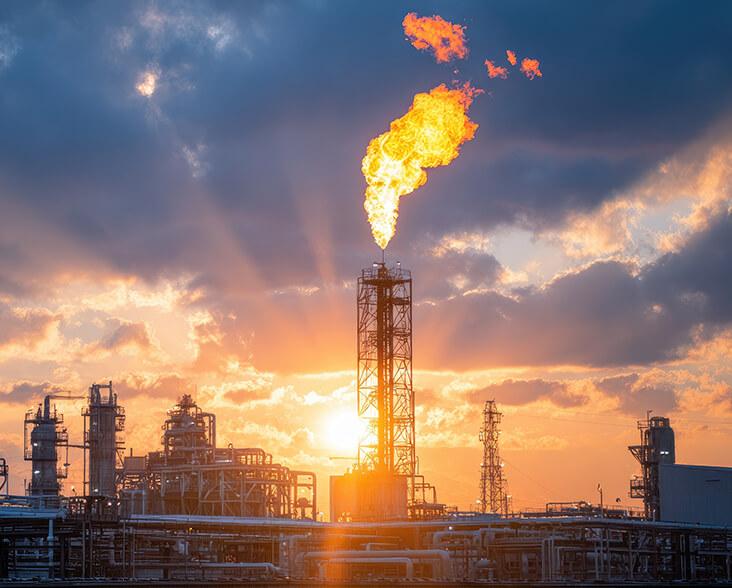
A refinery heats crude oil. It then separates it into different parts. This process is called fractional distillation of crude oil.
These parts are used to make many products. They include petrol, diesel and LPG. They also include aviation fuel and other products.
Further processing helps improve these products. It also helps meet the required quality standards.
To understand the starting point, read more about what is crude oil and how it is formed.
Petrochemicals and polymers
Refineries and petrochemical plants also make materials. These materials are used in many everyday products.
They include plastics, synthetic fibres and chemicals. These are used in packaging and clothing. They are also used in cars and appliances.
Many of these materials come from petrochemicals. Some are used to make polymers. Polymers are materials made from linked chemical units. Different types have different uses.
Fuel retail and the petrol pump network
Fuel retail is the final part. This is where customers buy fuel.
Petrol pumps sell products such as petrol and diesel. Some stations also offer other fuels. These may include CNG or auto LPG.
Oil marketing companies manage large retail networks. They supply fuel to stations. They also work to keep fuel available.
In India, major fuel retailers include Indian Oil, BPCL and HPCL. Private companies such as Nayara Energy and Reliance also have retail networks.
Upstream vs Midstream vs Downstream: A Side-by-Side Comparison
Each segment has a different job. They also use different assets. Their business needs are different too.
| Segment | What happens? | Who does it in India? | Main assets | What affects the business? |
|---|---|---|---|---|
| Upstream | Finds and produces oil and gas. | ONGC, Oil India and private operators. | Wells, rigs and production platforms. | Discoveries, output and oil and gas prices. |
| Midstream | Moves and stores oil and gas. | GAIL, Oil India, Indian Oil and pipeline operators. | Pipelines, ships and storage terminals. | Volume moved, transport rates and use of capacity. |
| Downstream | Refines crude and sells products. | Indian Oil, BPCL, HPCL, Reliance and Nayara Energy. | Refineries, plants, depots and fuel stations. | Refining margins, product demand and retail sales. |
Why Do the Three Segments Work Differently?
Each segment faces different business needs.
Upstream companies depend on oil and gas discoveries. Their output also matters. Changes in global oil and gas prices can affect them.
Midstream companies focus on moving resources. The amount they transport matters. Their income may depend on transport rates and how much of their network is used.
Downstream companies buy crude oil and make products. Their business depends on product demand. Refining costs and selling prices also matter. Fuel retail adds another part to this business.
Where a Refinery Actually Sits in the Chain
A refinery sits in the downstream segment. But its work starts with crude oil from upstream. The crude may arrive by ship. It is received at a port or marine terminal. It then moves through pipelines to storage tanks. From there, it enters the refinery.
At the refinery, crude oil goes through different processes. The first major step is often fractional distillation of crude oil. This separates crude into useful parts. Further treatment helps make finished products.
These products include petrol and diesel. They may also include LPG and aviation fuel. The products then move to storage. From there, they are sent to markets. This is part of petroleum supply and distribution.
Where a Petrol Pump Sits in the Chain
A petrol pump is part of downstream. It is the last stop before fuel reaches customers. But fuel goes through a few steps first.
1. Terminal: Finished fuel reaches a storage terminal. It is kept in large tanks. The terminal prepares it for dispatch.
2. Tanker: Fuel is loaded into tank trucks. These trucks carry it to fuel stations. The journey follows planned routes.
3. Forecourt: The tanker delivers fuel to the station. The fuel goes into underground tanks. Customers can then fill their vehicles.
This is how the petrol pump network connects fuel supply with daily use.
Can One Company Be Upstream, Midstream and Downstream?
Yes, one company can work across segments. It may explore for oil and gas. It may also move, refine and sell them.
Such a company is called an integrated oil and gas company. It works across more than one part of the chain.
What Does an Integrated Oil and Gas Company Mean?
An integrated company has activities in different segments. This can help it manage more of the supply chain.
For example, a company may produce crude oil. It may also own pipelines and refineries. It may then sell fuel through retail stations.
Not every company does all three jobs. Some focus on one segment. Others work across two or more.
In India, there are examples of this model:
- ONGC: It works in exploration and production. Its group also has downstream links. These include its stake in MRPL.
- Indian Oil: It operates refineries and pipelines. It also sells fuel through retail stations.
- Reliance Industries: It has upstream interests. It also runs large refining and retail businesses.
These examples show how companies can work across the chain. Their activities may sit in different segments.
Nayara Energy has a strong downstream presence. Its key activities include refining and fuel retail. Its Vadinar refinery and retail network are part of this segment.
Careers and Roles Across the Three Segments
The oil and gas industry offers many career paths. Each segment needs different skills. Some roles are technical. Others focus on business and operations.
Upstream roles
- Petroleum Engineer
- Geologist
- Drilling Engineer
- Production Engineer
Midstream roles
- Pipeline Engineer
- Terminal Operations Executive
- Logistics Coordinator
- Storage Operations Engineer
Downstream roles
- Refinery Process Engineer
- Chemical Engineer
- Retail Operations Executive
- Supply and Distribution Executive
The right qualification depends on the role. Engineering and science degrees are common. Some roles also need business or logistics training. Safety training may be needed too.
Explore Nayara Energy's Refining and Fuel Retail Network
Nayara Energy is part of India's downstream oil and gas sector. Its work connects large-scale refining with fuel retail. Together, these activities help move finished fuel towards customers across the country.
Explore more:
- Vadinar refinery: [Link to Nayara Energy's refinery page]
- Fuel retail network: [Link to Nayara Energy's retail page]
The oil and gas industry has three connected parts. Upstream finds and produces resources. Midstream moves and stores them. Downstream turns them into useful products.
Refining and fuel retail both belong to downstream. They take crude oil closer to the end user. Together, all three segments keep the petroleum value chain moving.
Frequently Asked Questions
Are Oil Marketing Companies (OMCs) Upstream or Downstream?
Oil marketing companies are part of downstream. They sell fuel and other products. They also manage fuel stations. Some also own refineries and pipelines.
Is LNG Shipping Counted as Midstream or Downstream?
LNG shipping is part of midstream. It moves liquefied natural gas between locations. The gas may later reach a terminal. There, it is changed back into gas.
Is a City Gas Distribution Company Midstream or Downstream?
City gas distribution is usually part of downstream. These companies supply gas to homes. They also serve businesses and vehicles. They use local pipelines for delivery.
Does India Import Crude Oil for Its Downstream Refineries?
Yes, India imports crude oil. Much of this crude comes by ship. It reaches ports and oil terminals. It is then sent to refineries. There, it is made into useful products.
What Qualifications Do Entry-Level Downstream Roles Usually Ask For?
It depends on the job. Engineering roles often ask for degrees. These may be in chemical or mechanical engineering. Some roles accept science graduates. Business and retail roles may ask for management degrees. Safety training may also be needed.
Why Do 'Upstream' and 'Downstream' Mean Something Different in Supply Chain and Software?
The words can have different meanings. In oil and gas, they describe industry stages. In supply chains, they describe movement between suppliers and customers. In software, they describe how systems depend on each other. The meaning depends on the field.
0