Related Article

What Is Flare Gas? Why Do Refineries Use Flare Systems?
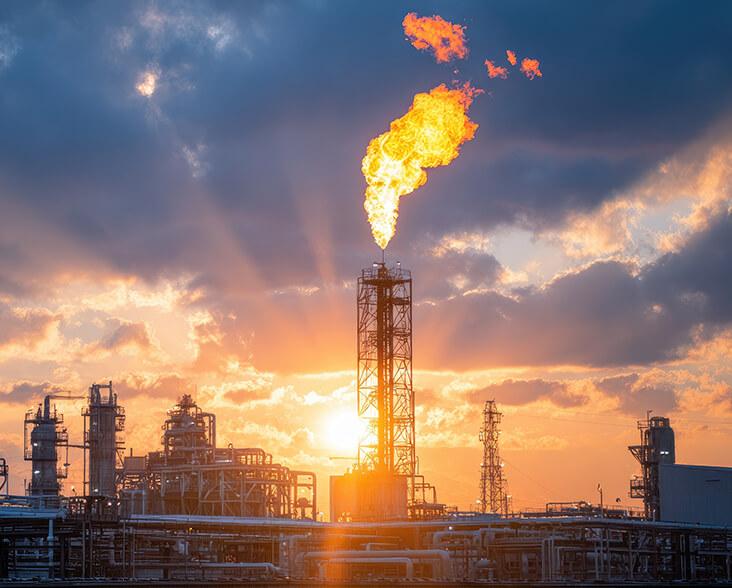
Have you seen a flame at a refinery? It burns on a tall tower. But why is it there? This flame is there to burn flare gas. Flare system is provided to safely combust excess, toxic, or flammable gases generated in process units. This prevents gas accumulation, explosions, and direct discharge of harmful gases into the atmosphere, converting them into less harmful products. Flare systems are essential for the safety of a plant, personnel, and the environment during normal operations, startups, shutdowns, and emergency situations.
Key Takeaways
- Flare gas is extra gas from refinery work.
- Refineries burn this gas safely.
- Pipes carry gas to flare towers.
- A small flame helps light the gas.
- Some flare gas can be reused.
Quick Answer: What Is Flare Gas?
What is flare gas? It is basically extra gas that comes out during refinery operations. When the gas cannot be used, it is sent to a flare and burnt safely. This helps protect people, equipment, environment and also the refinery.
What Is Flare Gas?
Refineries process crude oil. They make many useful products. Gas comes out while making those products. Some of this gas is reused. But sometimes, extra gas remains and it needs safe handling.
This extra gas is called flare gas.
Pipes collect and carry it. They take it to a flare. There, the gas is burnt.
Where Does Flare Gas Come From?
Flare gas comes from different units. It can come out during start-ups. It can also come during shutdowns.
Here are some common cases:
- During start-ups: Gas may need removal before work begins.
- During shutdowns: Gas inside units needs safe removal.
- During repairs: Workers may need to remove gas first.
- When pressure rises: Extra gas must leave the unit or equipment to prevent from over pressurization.
- During regular work: Some processes also release extra gas.
Pipes collect gas from these units. They then carry it to flares.
What Is Flare Gas Made Of?
Flare gas contains different gases. Its mix depends on its source.
It may contain:
- Methane: Also found in natural gas.
- Hydrogen: Used in many refinery processes.
- Ethane, propane and butane: These are hydrocarbon gases.
- Hydrogen sulphide: This gas needs careful handling.
The mix can change over time. Refineries check what it contains. This helps them handle it safely.
Why Do Refineries Use a Refinery Flare?
Some refinery gases catch fire easily. Releasing them can create risks. So, refineries need safe ways to handle them.
A refinery flare burns this extra gas. Pipes carry the gas to it. The gas then burns high above ground.
This is useful during start-ups. It is also useful during shutdowns. It helps when pressure rises. It also helps during sudden problems.
Why Does the Flare Flame Stay On?
Look at a flare tower. You may see a small flame. This is called a pilot flame.
The pilot flame stays lit. It helps light incoming gas. This stops gas escaping unburnt.
A small amount of gas flows constantly. This is called purge gas. It helps keep air out. This protects the flare pipes.
What Are the Main Parts of a Flare System?
A flare system in refinery operations has many parts. Each part has one job. Some carry gas. Others remove liquid. Some help burn the gas.
1. Flare Header
The flare header has many pipes. These pipes collect extra gas. They bring gas from different units and then carry it forward.
2. Knock-Out Drum
Gas may contain small liquid drops. The knock-out drum removes them. This stops liquid moving ahead. It helps protect the flare.
3. Liquid Seal Drum and Flame Arrestor
A liquid seal drum uses liquid. It helps stop flames moving backwards. It also helps keep air out.
Some systems use flame arrestors. These help stop flames from moving back. Not all systems use them.
4. Flare Stack and Flare Tip
The flare stack is a tall tower. It carries gas upwards. The flare tip sits on top. Gas comes out through it. The gas then burns.
5. Pilot and Ignition System
The pilot is a small flame. It stays near the flare tip. The ignition system lights it. It helps light incoming gas.
6. Steam or Air Supply
Some flares use steam. Others use air. Both help reduce black smoke. They help gas mix with air. This helps the gas burn better.
This is called smokeless flaring. It helps reduce visible smoke.
What Are the Different Types of Flares?
Refineries use different flare types. The choice depends on their needs. Space also plays a part.
Elevated Flares
These flares have tall towers. The burner sits at the top. Gas travels up the tower. It then burns high above ground.
This keeps heat away from people. It also protects nearby equipment.
Ground Flares
Ground flares burn gas near ground level. They may have many burners. These burners help burn the gas.
Enclosed Flares
Enclosed flares have closed walls. The burners sit inside. The flame stays within. This makes it less visible.
Why Are Flare Towers So Tall?
Burning gas produces heat. This heat can affect nearby people. It can also affect equipment.
Tall towers keep flames higher. This helps keep heat away. Engineers decide the right height. They check the gas and flame. They also check wind and space.
Flare Gas Recovery: Can Gas Be Reused?
Yes, some gas can be reused. It does not always need burning.
A flare gas recovery system collects usable gas. It takes gas from flare pipes. It then prepares the gas. The refinery can use it again.
This helps reduce gas burning.
How Does Flare Gas Recovery Work?
The system first collects gas. It then removes any liquid.
Next, the gas enters compressors. These machines raise gas pressure. This helps the gas move forward.
The gas then reaches suitable units. There, it can be used. It may serve as fuel.
The flare is still needed. Emergencies may send gas there. Extra gas may also go there. Safety always comes first.
Where Can Recovered Gas Be Used?
Recovered gas can serve as fuel. Furnaces and boilers can use it. These are common refinery units.
This helps refineries reuse available gas. But not all gas can be recovered. Some gas needs immediate burning.
How Does Flaring Affect the Environment?
Burning gas creates carbon dioxide. It also creates water vapour.
But gas may not burn fully. This can produce other gases. These include carbon monoxide. It may also release unburnt gases. Sulphur dioxide may form too.
So, refineries check their flare systems. They track the gas sent there. They also check how well it burns.
| What Is Checked? | What Does It Tell Us? |
|---|---|
| Burning efficiency | How well the gas burns. |
| Actual and estimated results | How the flare really performs. |
| Satellite monitoring | Helps track heat from flare flames. |
Some calculations assume 98% efficiency. This is only an estimate. Every flare may work differently. Actual results can change.
Satellites can detect flare heat. This helps track gas burning. But satellites cannot check everything. They cannot measure burning efficiency directly.
What Rules Do Indian Refineries Follow?
Indian refineries follow safety rules. They also follow pollution control rules.
The Oil Industry Safety Directorate (OISD) gives safety guidelines. These cover the oil industry. The Central Pollution Control Board (CPCB) also sets rules. State boards check pollution control.
Some important areas include:
- Safe design: Flare towers need careful planning.
- Gas recovery: Refineries should reuse gas where possible.
- Liquid removal: Knock-out drums remove liquid drops.
- Pilot flame: The pilot must stay ready.
- Regular checks: Flare systems need regular checks.
- Emission records: Refineries track gas sent to flares.
The rules can differ between sites. They depend on the refinery. They also depend on approvals.
How Does Nayara Energy Manage Its Refinery Operations?
Safe refinery work needs good systems. It also needs skilled people.
Nayara Energy runs the Vadinar refinery. It is located in Gujarat. It processes different crude oils. It makes many useful products.
Many units work together here. Each unit has its own role. Safety matters at every stage.
Explore the Vadinar refinery to learn more.
Flare systems help keep refineries safe. They burn extra gas when needed. This gas cannot always be reused.
Pipes carry gas to the flare. The system removes liquid first. The gas then reaches the tip. A small flame helps light it.
Some gas can be reused. Recovery systems collect this gas. This helps reduce gas burning. It also saves useful resources.
Frequently Asked Questions
Why Does a Flare Flame Get Bigger?
More gas makes the flame bigger. This can happen during start-ups. It can happen during shutdowns. It may also happen during faults.
Why Does a Flare Make Noise?
Gas comes out at high speed. This can create loud sounds. Steam or air adds noise too.
Is It Safe to Live Near a Refinery Flare?
Flare towers are built for safety. They keep flames high above ground. But every site is different. Safety depends on design and location. It also depends on how systems work. Each site needs proper checks.
What Is the Difference Between a Flare Stack and a Refinery Chimney?
A flare stack burns extra gas. A chimney carries flue gases. These come from furnaces and boilers. Both are tall structures. But they have different jobs.
Do All Refineries Need a Flare System?
Refineries need safe gas handling. Flares are one common solution. The system depends on refinery needs.
Does Flaring Mean Gas Is Wasted?
Not always. Some gas needs safe burning. This may happen during emergencies. But usable gas can be recovered. Recovery systems collect this gas. Refineries can then use it again.
0