Related Article

Fractional Distillation of Crude Oil - Process & Fractions
Crude oil is a mix of many hydrocarbons. These hydrocarbons have different properties. They also have different boiling points. .
This is why crude oil cannot usually be used as it is. It needs to be first processed in a refinery. And one of the first steps is the fractional distillation of crude oil.
This process helps separate the crude oil into various groups. These groups are called fractions. Each fraction contains hydrocarbons with similar boiling ranges.
The basic idea is simple. Crude oil is heated. Some parts turn into vapour. The vapour enters a tall distillation column. Lighter hydrocarbons rise higher. Heavier hydrocarbons settle at the bottom.
This makes it possible to collect different parts of the petroleum at different stages in the column.
These fractions can then be processed further. They can become LPG, petrol, diesel, jet fuel, lubricants and other products.
So basically, the distillation of petroleum helps separate crude oil into useful substances.
Key Takeaways from the Blog:
- Fractional distillation of crude oil separates hydrocarbons based on boiling point.
- Lighter fractions rise on the upper parts of the column.
- Heavier fractions stay closer to the bottom.
- The crude oil distillation process is followed by further refining.
- Major fractions include LPG, naphtha, kerosene, diesel and heavy residue.
- These petroleum fractions are used to make many useful products.
Quick Answer
Fractional distillation is an early step in crude oil refining. It can separate crude oil into different parts by boiling points.
First, the crude oil is heated and sent into a tall distillation column. Lighter substances like LPG and naphtha rise to the top, while heavier parts stay at the bottom. These parts are then processed to make fuels, lubricants, bitumen and petrochemical feedstocks.
What Is Fractional Distillation of Crude Oil?
Understanding the crude oil distillation process is simple.
It is a method used to separate crude oil into different fractions. The separation is based mainly on boiling points.
Lighter hydrocarbons boil at lower temperatures. They rise higher in the column.
Heavier hydrocarbons need more heat. They condense lower in the column.
This is the basic principle behind crude oil distillation.
Fractional Distillation vs Simple Distillation
Simple distillation can separate liquids with different boiling points.
Fractional distillation uses a tall column. It is a technology that allows continuous vaporization and condensation. This makes it better suited to separating complex mixtures like fractions of crude oil.
Let's Understand How the Crude Oil Distillation Happens!
The process mainly has five steps.
Step 1: Crude Oil Is Heated in the Furnace
Crude oil first enters a furnace.
It is then heated to a high temperature. This turns the crude oil into vapour.
Step 2: Crude Oil Then Enters the Distillation Column
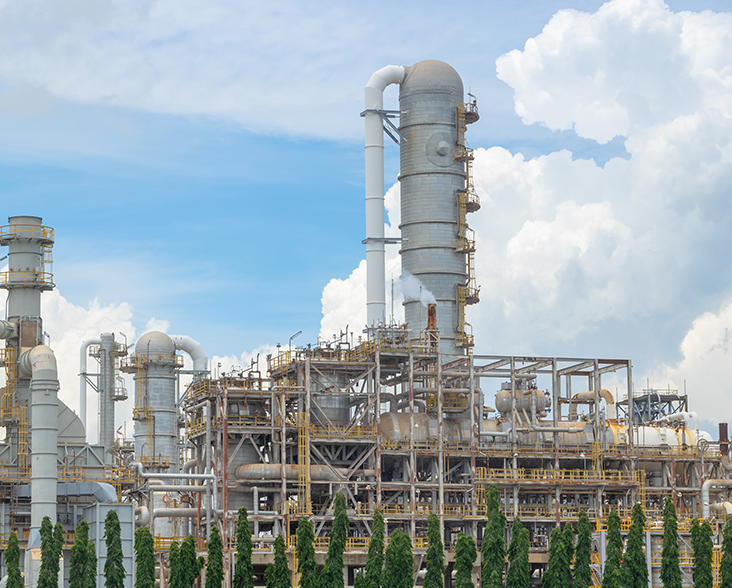
The hot mixture enters a tall distillation column.
The column is the hottest at the bottom. It is cooler at the top.
Step 3: Separation by Boiling Point
The vapors move up the column.
Heavy hydrocarbons condense lower down. Lighter hydrocarbons rise higher before condensing.
This is the key stage in distillation of petroleum.
Step 4: Collection of Fractions
The separated streams are collected at different levels.
These different parts of the column are called fractions of crude oil.
Step 5: Lastly, Crude Oil is Sent For Further Processing
The fractions are not ready for use.
Some go through cracking, treating or reforming. Others are treated to meet product specifications.
Simple Process Flow
Crude Oil → Heating → Distillation Column → Separation → Fractions → Further Processing → Finished Products
What Are the Main Fractions of Crude Oil?
The fractions of crude oil have different boiling ranges. These ranges can vary depending on the crude oil and refinery.
| Fraction | Approx. boiling range | Typical use |
|---|---|---|
| LPG | Below ~30°C | Cooking and heating |
| Naphtha | ~50-205°C | Petrol and petrochemicals |
| Kerosene | ~150-300°C | Jet fuel and heating |
| Diesel | ~200-345°C | Transport and industry |
| Lubricating oil | Higher range | Lubricants and greases |
| Residue | Above ~350°C | Bitumen and further processing |
Refinery Gas and LPG
These are among the lightest fractions.
Refinery gases contain Methane and ethane. LPG contains gases such as propane and butane. LPG is used for cooking and heating.
Petrol and Naphtha
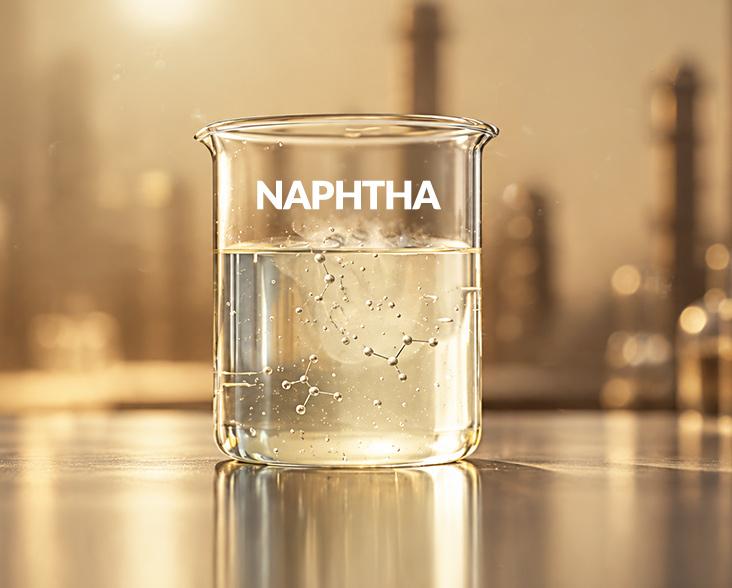
Naphtha is a light fraction.
It can be used in petrol production. It is also an important petrochemical feedstock.
Kerosene
Kerosene is a middle fraction.
It is used to make aviation turbine fuel after further processing.
Diesel
Diesel is heavier than petrol and kerosene.
It is widely used in vehicles, machinery and industrial equipment.
Lubricating Oil and Wax
These are heavier petroleum fractions.
They can be further processed into lubricants, greases and waxes.
Fuel Oil and Bitumen
The heaviest refinery residue can be processed further to produce bitumen.
Bitumen is widely used in road construction.
What Products Are Made from Petroleum Fractions?
Different petroleum fractions can be processed into many products.
Fuels
LPG, petrol, jet fuel and diesel are produced from different crude oil fractions and refinery processes.
Most of these products need further treatment before they are ready for use.
Petrochemical Feedstocks
Naphtha can be used as a petrochemical feedstock.
It is converted into chemicals that are used to make plastics and also other materials.
Lubricants and Waxes
Heavier streams can be used to make lubricants and greases.
These products help reduce friction and protect machinery.
Bitumen
Heavy refinery residue can be processed into bitumen.
It is used mainly in road construction and waterproofing.
What Properties Matter in Crude Oil Distillation?
Boiling Point
Boiling point is the main factor in separation. .
Light hydrocarbons boil at lower temperatures. Heavy hydrocarbons need more heat.
Density and Viscosity
Density and viscosity help describe crude oil and its fractions.
Heavy streams are mostly denser and thicker.
Volatility
Lighter fractions are more volatile.
They turn into vapour more easily. This helps them go up in the column.
Why Is Crude Oil Distillation Important?
It is an important refining step. It separates crude oil into useful streams.
These streams are then sent to different refinery units.
It Supports Further Processing
Some fractions need more refining.
Cracking can break heavy molecules and turn into lighter ones. Reforming improves certain fuel streams.
It Helps Use Crude Oil Efficiently.
Different parts of crude oil are used for different purposes.
The crude oil distillation process creates a wide range of products from just one raw material. It even separates crude oil into useful petroleum fractions.
Explore Nayara Energy's Crude Oil Refining and Petroleum Product Offering
At Nayara Energy's Vadinar Refinery, crude oil goes through different stages.
It first arrives through a Single Point Mooring, which is also called the Crude Receiving Station. It is then moved through pipelines to the Crude Oil Tankage area.
The crude is blended to the required specifications. It then enters the refinery complex.
The first major step is separation. Crude oil is heated and sent into a distillation column. The different components separate based on their boiling points.
Light streams include LPG, naphtha and motor spirit. Middle streams include aviation turbine fuel and high-speed diesel. Heavy streams include vacuum gas oil, fuel oil and bitumen.
The refinery then uses conversion and treatment processes. Heavy streams can be converted into lighter fuels. Products are also treated to meet required specifications.
For those looking for the , best oil company in India Nayara Energy offers fuels and products for transportation, industry and also infrastructure. Its supply network serves customers across India.
Nayara Energy's Refined Petroleum Products
From crude oil to finished products, refining involves several carefully controlled steps.
Explore Nayara Energy's range of refined petroleum products and industrial offerings
The basic idea behind distillation of petroleum is simple.
Crude oil is heated. Its components separate out based on boiling points. The resulting fractions of crude oil are then processed further.
This makes crude oil useful for many purposes. It can provide fuels, petrochemical feedstocks, lubricants and bitumen.
FAQ
What are the main fractions obtained from crude oil?
The main fractions of crude oil include LPG, naphtha, kerosene, diesel, vacuum gas oil, lubricating oil and heavy residue.
What is the difference between fractional distillation and simple distillation?
Fractional distillation uses a column to separate many components. It is better suited to complex mixtures such as crude oil.
Why is crude oil distillation important?
Each fraction has a different boiling range. Light fractions boil at lower temperatures. Heavy fractions boil at higher temperatures.
What are 7 constituents found in crude oil?
Crude oil mainly contains hydrocarbons. It can also contain sulphur, nitrogen, oxygen, metals, salts, water and sediments.
What are the main fractions obtained from petroleum?
The main petroleum fractions include refinery off gas, LPG, naphtha, kerosene, diesel, lubricating oil and heavy residue.
0