Related Article

What Is Naphtha? Meaning, Types, Production Process & Uses
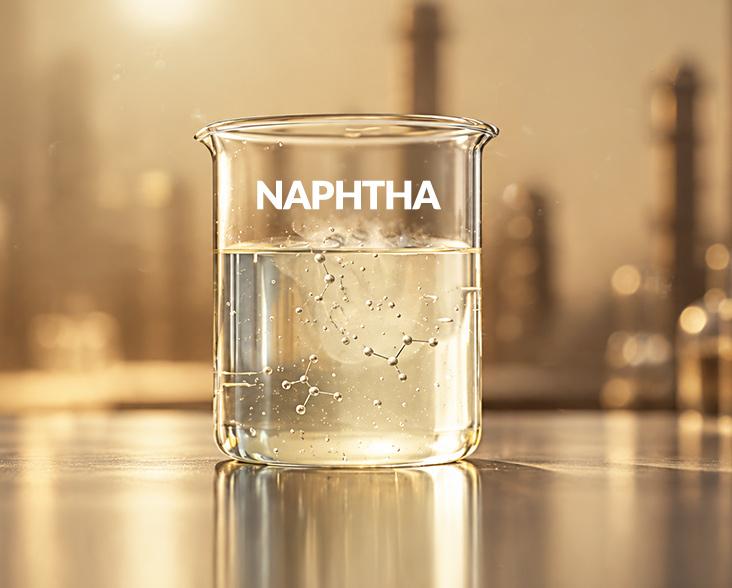
Naphtha is simply a light petroleum product produced when crude oil is refined. It is a clear, volatile liquid consisting of a mixture of hydrocarbons. So, if you ask what is naphtha, it is a light middle product obtained by distillation of crude oil into its components. It's not like petrol but it's lighter than kerosene.
Petroleum naphtha is widely used in the industry. It can be used as a feedstock for petrochemical manufacturing. It is also used in petrol blending and as a solvent in industries. The meaning is clearer when we think of naphtha production.
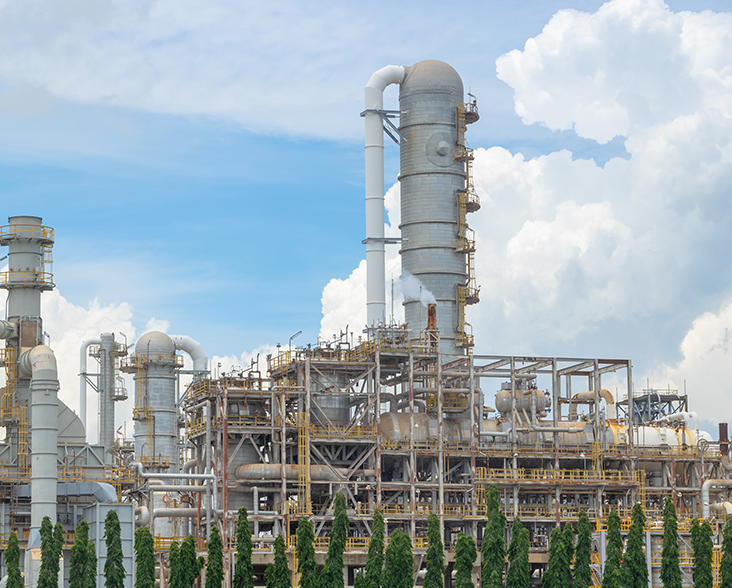
In a refinery, crude oil is heated. Its various parts are separated according to their boiling points. One of the fractions is called naphtha. It will usually contain hydrocarbons of 5 to 12 carbon atoms depending on the grade. The boiling range typically varies from 30°C to 200°C, depending on the grade and the refining process.
Key Takeaways
- Naphtha is a light liquid product that we get from crude oil refining.
- Petroleum naphtha is used in fuels, solvents and petrochemical production.
- There are mainly 3 common types of naphtha - light, heavy and full-range.
- Usage of Naphtha depends on its grade and properties.
- Naphtha and petrol are completely different products.
- Naphtha is also used as an important feedstock for making different chemicals and plastics.
Quick Answers
What is naphtha?
Naphtha is a light hydrocarbon liquid which is obtained during crude oil refining. It is mainly used as a petrochemical feedstock, fuel blend component, and industrial solvent. It is separated from crude oil based on differences in boiling points. Depending on its grade, it can be processed further for various industrial applications. This makes it an important refinery intermediate. Its final use depends on its composition and properties.
Meaning And Definition Of Naphtha
The simplest naphtha meaning is a light petroleum fraction obtained from crude oil.
It is collected during the distillation of crude oil. It falls between lighter gases and heavier fractions such as kerosene.
So basically naphtha is a refinery intermediate. It is not the same as finished petrol.
It can also be processed further. For example, it can be used to make high-octane fuel components and petrochemical feedstocks.
Now Let's Understand How Is Naphtha Produced?
The production process of Naphtha starts with crude oil. The main steps are as follows:
Step 1: Crude Oil Distillation
First, crude oil is heated in a refinery. The different hydrocarbons get separated based on their boiling points.
Step 2: Naphtha Fraction Separation
Now, Naphtha is collected from the upper part of the distillation column. It is lighter than kerosene.
Step 3: Hydrotreating
Then, naphtha may be treated to remove undesirable contaminants. This is an essential step to make it ready for further processing.
Step 4: Further Processing
Full range naphtha after hydrotreating is split into light and heavy naphtha. Light naphtha goes to the Isomerization process. Heavy naphtha goes to catalytic reforming. This helps produce high-octane fuel components and other useful products.
Step 5: Storage and Dispatch
When the naphtha process is completed, it is stored in tanks. It can then be sent to customers or other refinery units.
Process flow:
Crude oil → Distillation → Naphtha separation → Treatment → Further processing → Storage
Here Are the Main Types Of Naphtha!
The main naphtha grades are based on boiling range and composition.
Light Naphtha
Light naphtha has a lower boiling range. It is often used as a feedstock for making chemicals such as ethylene and propylene.
Heavy Naphtha
Heavy naphtha has a higher boiling range and is commonly used in catalytic reforming.
Full-Range Naphtha
Full-range naphtha covers a wider boiling range. It can be split into lighter and heavier portions for further use.
All these grades have different properties. Their use depends on the grade and the required end product.
What Is The Difference Between Naphtha and Gasoline?
The key difference between naphtha vs gasoline is their purpose.
| Feature | Naphtha | Gasoline |
|---|---|---|
| Role | Refinery intermediate | Finished fuel |
| Boiling range | Around 30–200°C | Around 30–210°C |
| Main use | Petrochemicals and fuel processing | Cars and other petrol engines |
| Octane | Depends on grade | Formulated for engine use |
It is important for us to understand the naphtha vs gasoline difference. Naphtha can be used to make or blend petrol. But it is not normally sold as finished petrol.
What Are The Key Properties of Naphtha?
The different properties of naphtha make it useful for many industries.
Light and Volatile
Naphtha is a light liquid. It also evaporates easily.
Low Boiling Range
It has a relatively low boiling range. This allows it to separate from heavier crude oil fractions.
Hydrocarbon-Based
Naphtha contains different hydrocarbons. The exact composition depends on the crude oil used and its refining process.
Good Solvency
Some grades of naphtha have the ability to dissolve oils and other substances. This makes them a useful industrial solvent.
What Are the Main Uses Of Naphtha?
It includes:
Petrochemical Feedstock
The most important use of Naphtha is that it can be used as a feedstock to produce ethylene and propylene. These chemicals are used to produce plastics, fibres and other materials.
Petrol Blending
Naphtha can be processed into high-octane components. It can also be used as a blending component for petrol.
Industrial Solvent
Certain grades are used in paints, coatings, adhesives and cleaning products.
Industrial Fuel
Some naphtha grades are used as fuel in specific industrial applications.
Other Uses
Naphtha can also be used in specialised fuels and as a diluent for heavy crude oil.
These applications depend on the grade and its properties.
Explore Nayara Energy's Naphtha Offering
Nayara Energy produces and supplies petroleum products from its Vadinar refinery. Its naphtha offering supports different industrial requirements.
| Area | Details |
|---|---|
| Product | Naphtha |
| Source | Refining of crude oil |
| Key role | Fuel processing and petrochemical feedstock |
| Applications | Petrochemicals, fuel processing and industrial use |
| Supply | Industrial and commercial customers |
For businesses searching for the best oil company in India, product specifications should always be checked against the intended application. The right supplier depends on the product grade, specifications and business requirements.
Nayara Energy's Naphtha & Petrochemical Offering
Naphtha is an important part of the petrochemical value chain.
Nayara Energy's integrated refining and petrochemical operations connect crude oil refining with products used across industries.
Explore the different range of naphtha to find products suited to your business needs.
The naphtha meaning is simple. Naphtha is a light petroleum fraction obtained during crude oil refining.
Its value comes from its flexibility. It can be processed into fuel components, used as a solvent or supplied as a feedstock for petrochemical production.
The different types of naphtha serve different purposes. Understanding them is essential. It can help industries choose the right product for different uses.
Businesses researching the best oil company in india can also look at the range of products, their refining capabilities and supply requirements before making a decision.
FAQs
Is naphtha the same as petrol?
No. The naphtha vs gasoline difference is mainly in their role. Naphtha is usually a refinery intermediate, while petrol is a finished engine fuel.
What is petroleum naphtha used for in industries?
Petroleum naphtha is used in the production of petrochemicals, in fuel processing and as an industrial solvent.
Who is the largest producer of naphtha?
Some countries produce naphtha; some refineries produce naphtha. Big producers are big oil-refining nations.
What are the 5 basic refining processes?
Typical refining steps include: distillation, conversion, treating, blending and storage. Here are the processes that turn crude oil into useful products.
What is another name for naphtha?
Naphtha is also commonly called a light petroleum fraction. Some grades may also be described as straight-run naphtha.
How is naphtha made?
Naphtha is mainly obtained by separating crude oil during distillation. It may then be treated or processed further based on its intended use.
Overall, the answer to what is naphtha is simple: it is a useful light petroleum fraction that connects crude oil refining with fuels, solvents and petrochemicals.
0